Words and images Vicki Ravlich-Horan
I went for the Caravaggio, Mr Horan for the knights – we both fell in love with Malta.
Sitting in the middle of the Mediterranean Sea yet so close to Africa that the cars are constantly covered in dust blown over from the Sahara Desert, Malta is a magical spot.
As a lover of Sicily and its chaotic charms, I was dubious about Malta, expecting an anglicised version of the island I love. And it’s true, Malta is less chaotic than Sicily. It’s also cleaner! They drive on the left-hand side of the road and English is an official language and thus widely spoken.
For many this makes this 316 sq km island the perfect summer destination, especially the English, for who Malta has long been a favourite spot.
This is also why many online blogs recommend staying outside the old city. The bays of Silema and St Julian are filled with large hotels catering to the crowds of English, here to get some sun, sea and party. Carry on further around the island and all-inclusive resorts dominate the many beautiful bays.
Next time we visit (and there will definitely be a next time), we will stay in Valetta. This time it was Silema, with the hotel pool and close proximity of the beach swaying me.
We had five nights in Malta before heading to Sicily, which is just a 20-minute flight away. Each day was spent exploring something new: Mdina, Marsaxlokk, Gozo and finally Valetta.
After just a few hours in Valetta, I found myself seeing if we could change our flights and stay a few extra days.
Valetta is the capital of Malta. Named a UNESCO World heritage site in 1980, it is hard to believe it was devastated in World War Two*.
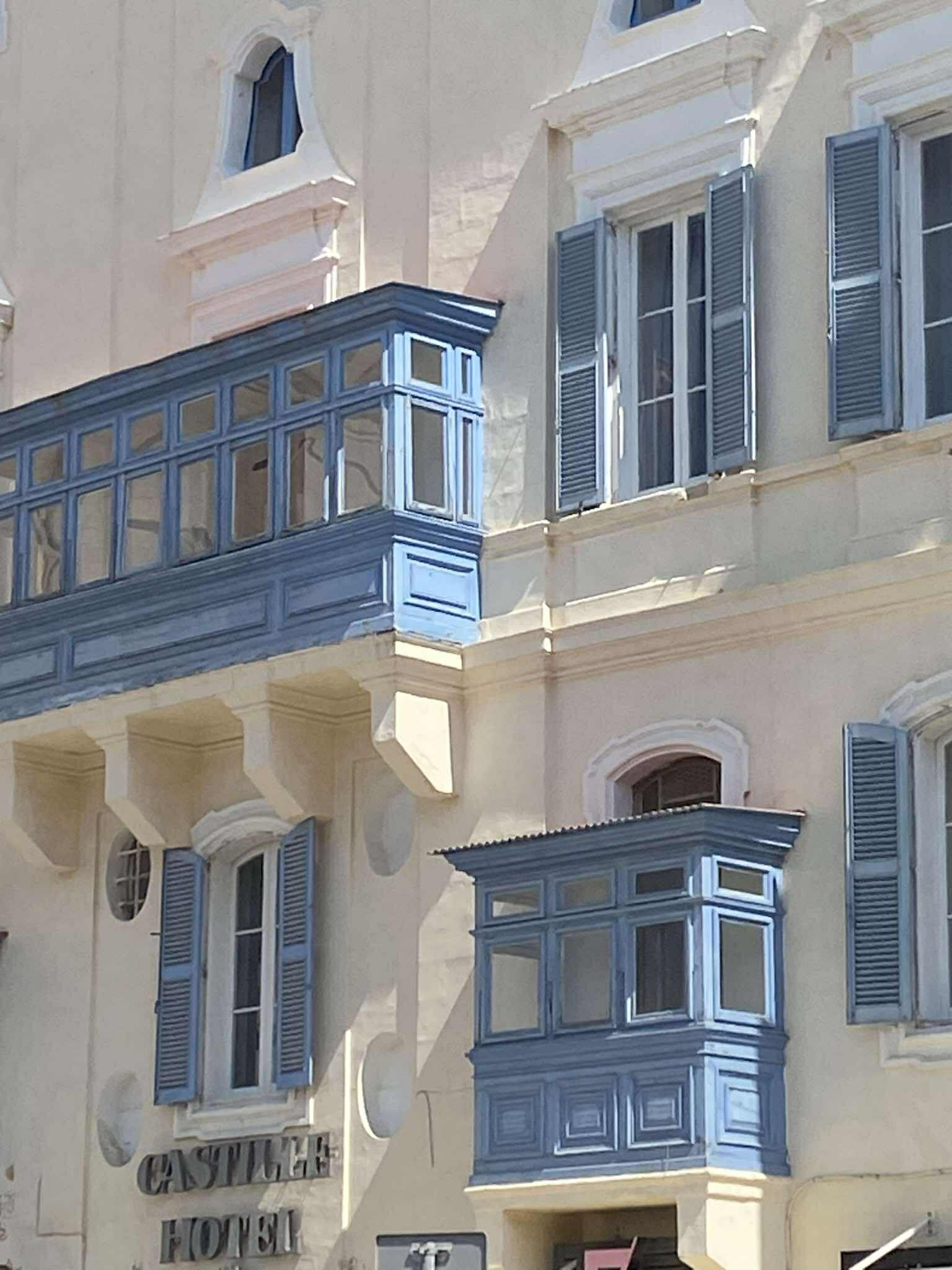
The very reason many tourists stay outside Valetta is what I believe is part of its charm. The city was built from local limestone after the siege of Malta in 1565. These historic buildings with their colourful enclosed balconies are protected and make Malta postcard perfect. But they lack modern conveniences like parking and lifts to help you get your luggage to the fourth floor.
And I get that, as well as the attraction of a pool in such a hot place. But I’d rather be immersed in the history, wandering the narrow streets in the early morning, stopping to enjoy a coffee and cake at local treasure Caffe Cordina, or to take a stroll in the evening, stopping for a drink on a rickety table precariously perched on the cobbled streets or steps while taking in the view.
Malta is fairly small so, with the exception of the islands like Gozo, you can get to each town in little more than 20 minutes. And because they drive on the left-hand side, renting a car and driving is a great option. Parking will be your only problem.
Valetta
Malta has a long history. From the Phoenicians to the Romans, the Byzantines, Arabs, Normans, Knights of St. John, French, and the British. There’s a lot to unpack, and Valetta is a great place to start.
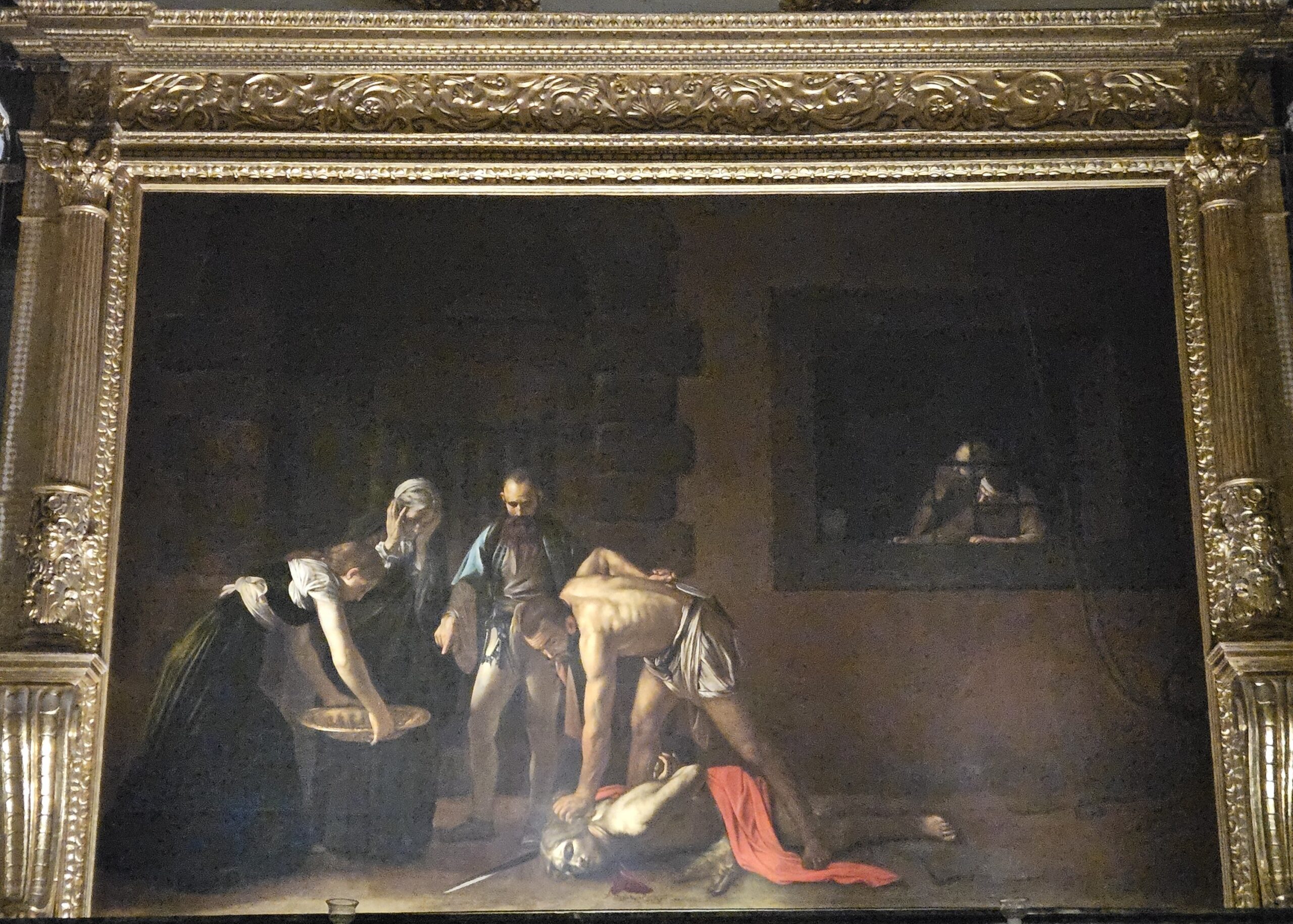
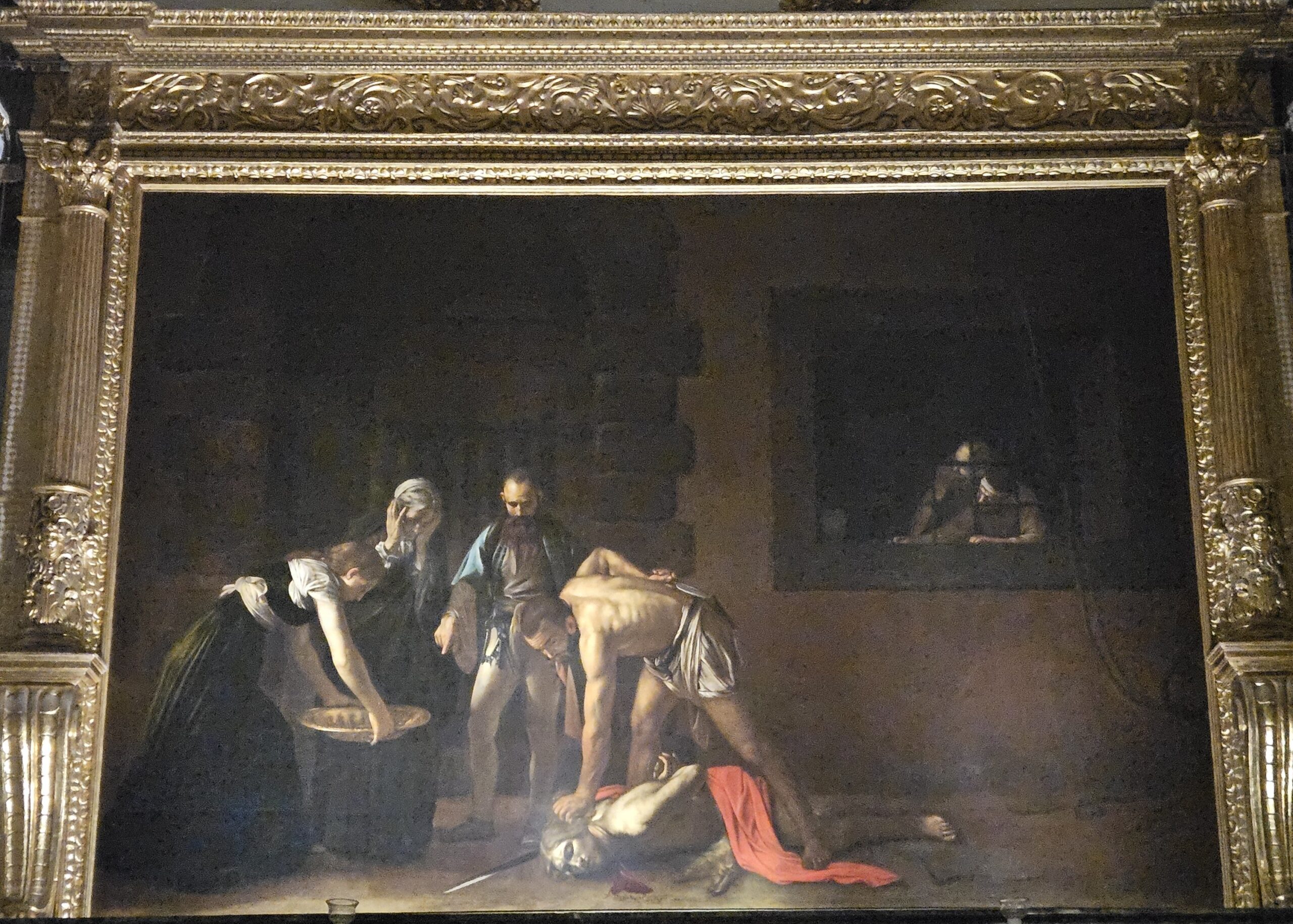
We split up and still didn’t get to see everything Valetta has to offer. While Mr Horan headed to the Archaeological Museum, I joined the queues at St John’s Co-Cathedral & Museum. Entry, at 15 euros, is not cheap for a church, but it is worth it!
Churches in Europe are like castles in the UK or temples in Asia – they’re everywhere, which is why it is easy to dismiss yet another church. I had come to see Caravaggio’s Beheading of St John, so wasn’t really fussed on learning much about the church until I stepped inside and was bowled over by possibly the most lavish baroque church I had even seen.
Thankfully the entry fee comes with a free audio guide to help explain what you are seeing. Built in the 1570s by the Knights of St John, it initially had a very modest interior. But in the 1700s it was redecorated in the Baroque style that now makes it one of the finest examples of high Baroque architecture in Europe.
But as impressive as the church is, the Caravaggio is more so. The icing on the cake being the display of this masterpiece where you can learn more about the man as well as his artwork.
Digital projections allow you to come ‘face-to-face’ with the artwork and the opportunity to understand Caravaggio’s creative process via scientific studies showcasing his brushwork and use of light.
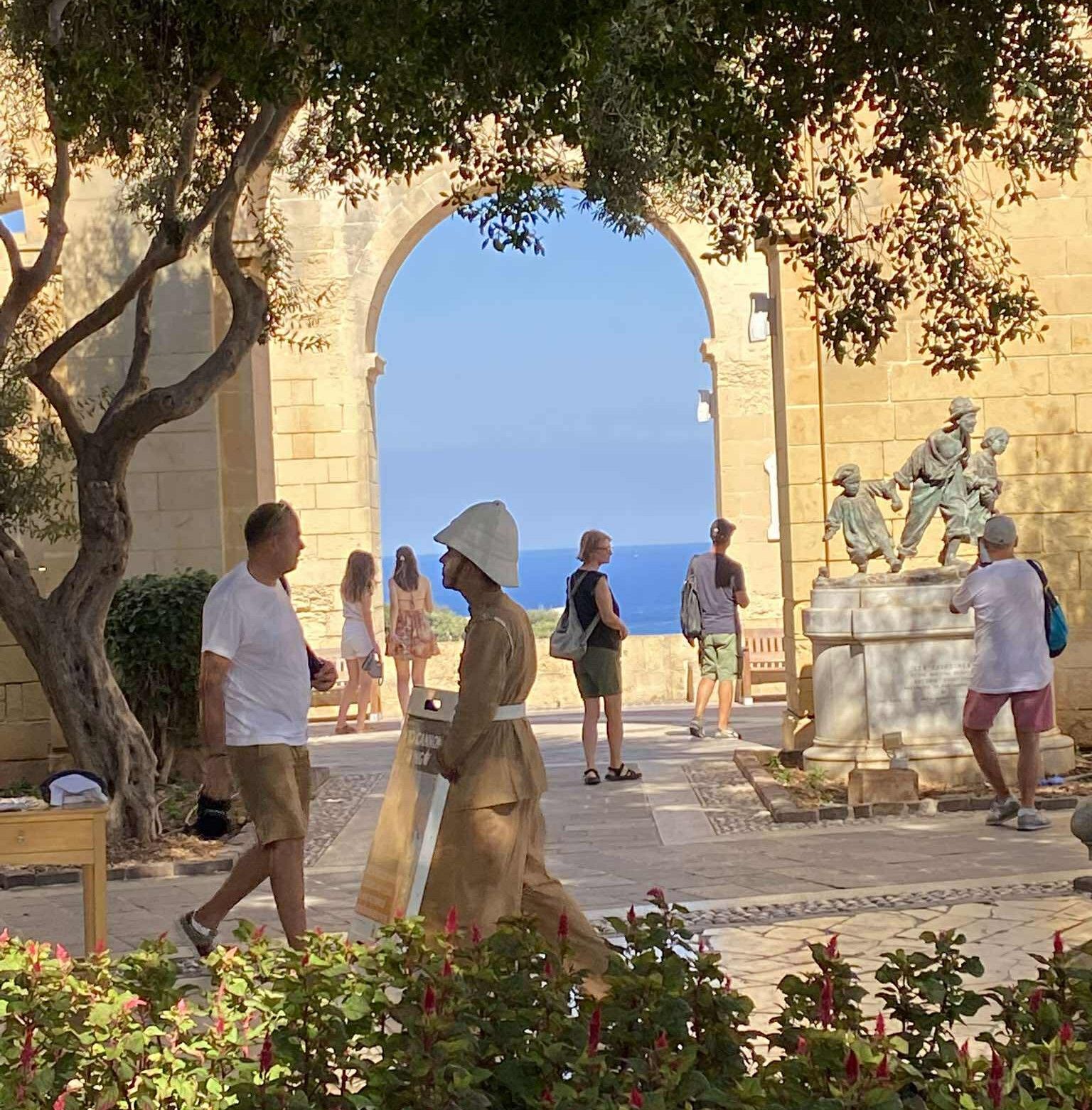
We regrouped at the Upper Barrakka Gardens. Here you get a gorgeous view of Valletta’s Grand Harbour and each day at noon and 4pm the cannon fires. It’s also from here you can head down and learn more about Malta’s most recent history in the Lascaris War Rooms.
This underground tunnel complex housed Britain’s top-secret command in Malta during World War Two and is now a fascinating museum. Well worth the visit, but allow plenty of time.
Marsaxlokk
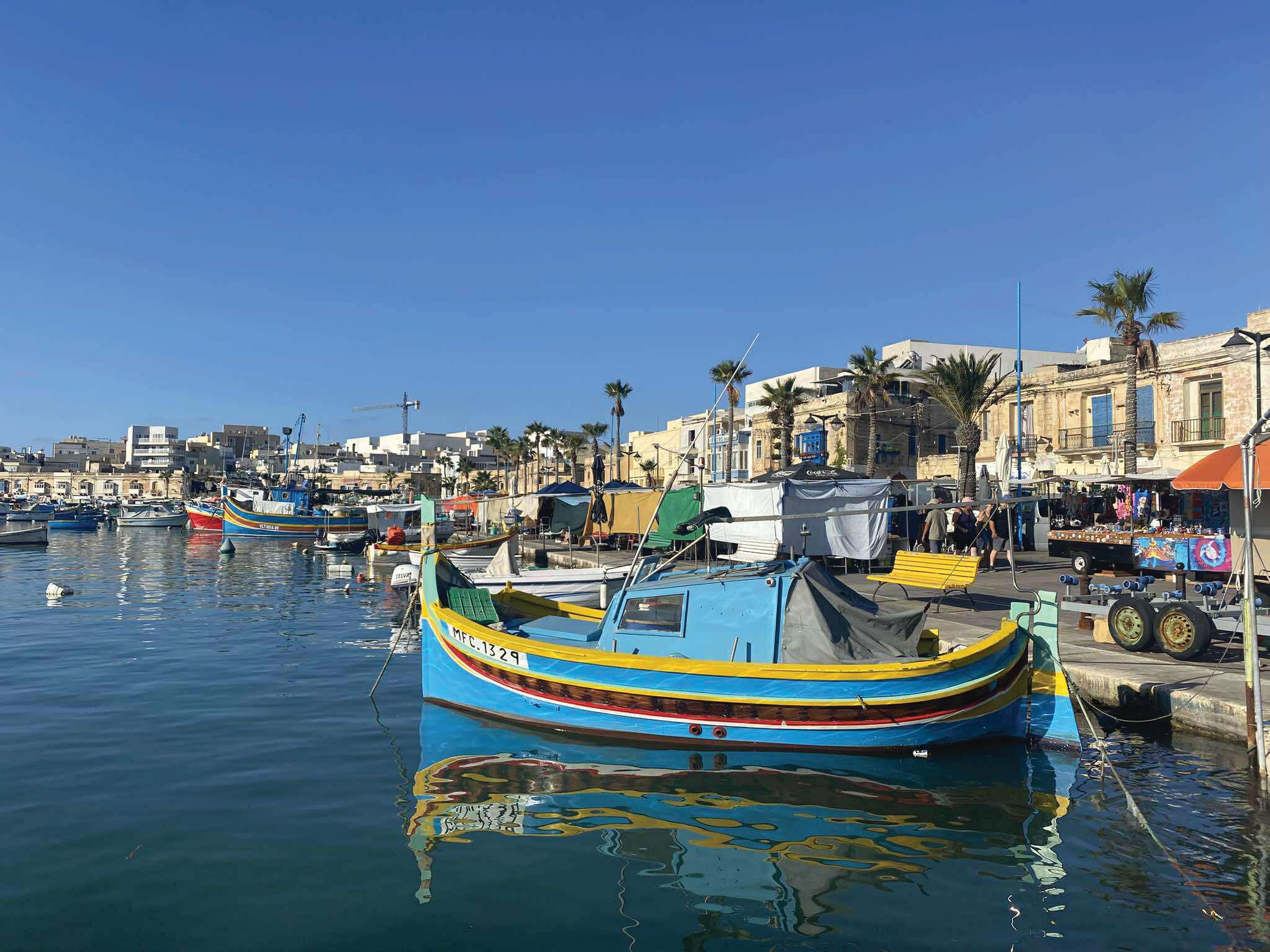
If in Malta on a Sunday, head out early to Marsaxlokk. Here the harbour is filled with fishing boats, including the iconic Maltese luzzu. On Sundays the harbourside comes alive with a fresh fish market. With tourism now being a bigger economic contributor to the Maltese economy than fishing, the market inevitably also contains more and more souvenirs. But what can you do? Just know that the pistachio crème they are giving free samples of is likely to come from Sicily. And don’t be tempted by the cookies and baked goods charged by the gram. Mr Horan had the heaviest and most expensive scone in his life here!
If seafood is your thing, Marsaxlokk is a great place for lunch and to get your fresh seafood fill. Otherwise grab lunch from a bakery and drive east and enjoy lunch and a swim at the natural rock formation, St Peter’s Pool.
Mdina and Rabat
Mdina is a must visit. Set aside a full day to discover this historic fortified city and nearby Rabat.
Set up on a hill, Mdina was first settled by the Phoenicians and was the capital of Malta until the Knights of St John arrived. There are a number of musuems to visit or 3D experiences that give you an insight into the history of Mdina along with the Knights of St John, but you could easily spend the day just exploring the streets, stopping for lunch and enjoying the atmosphere.
Speaking of lunch, there are many options. If you are looking to splurge, The de Mondion is a 1 Michelien star restaurant inside The Xara Palace Relais and Chateaux where the food and view are spectacular.
Or settle for the hotel’s slightly more casual restaurant in the square, Trattoria AD1530. A local favourite since 1975 is Fontanella Tea Garden. What started as a hobby for owner Louisette, is now one of the most popular cafes in Mdina. Famed for its chocolate cake and strawberry meringue, make sure you get a table with a view.
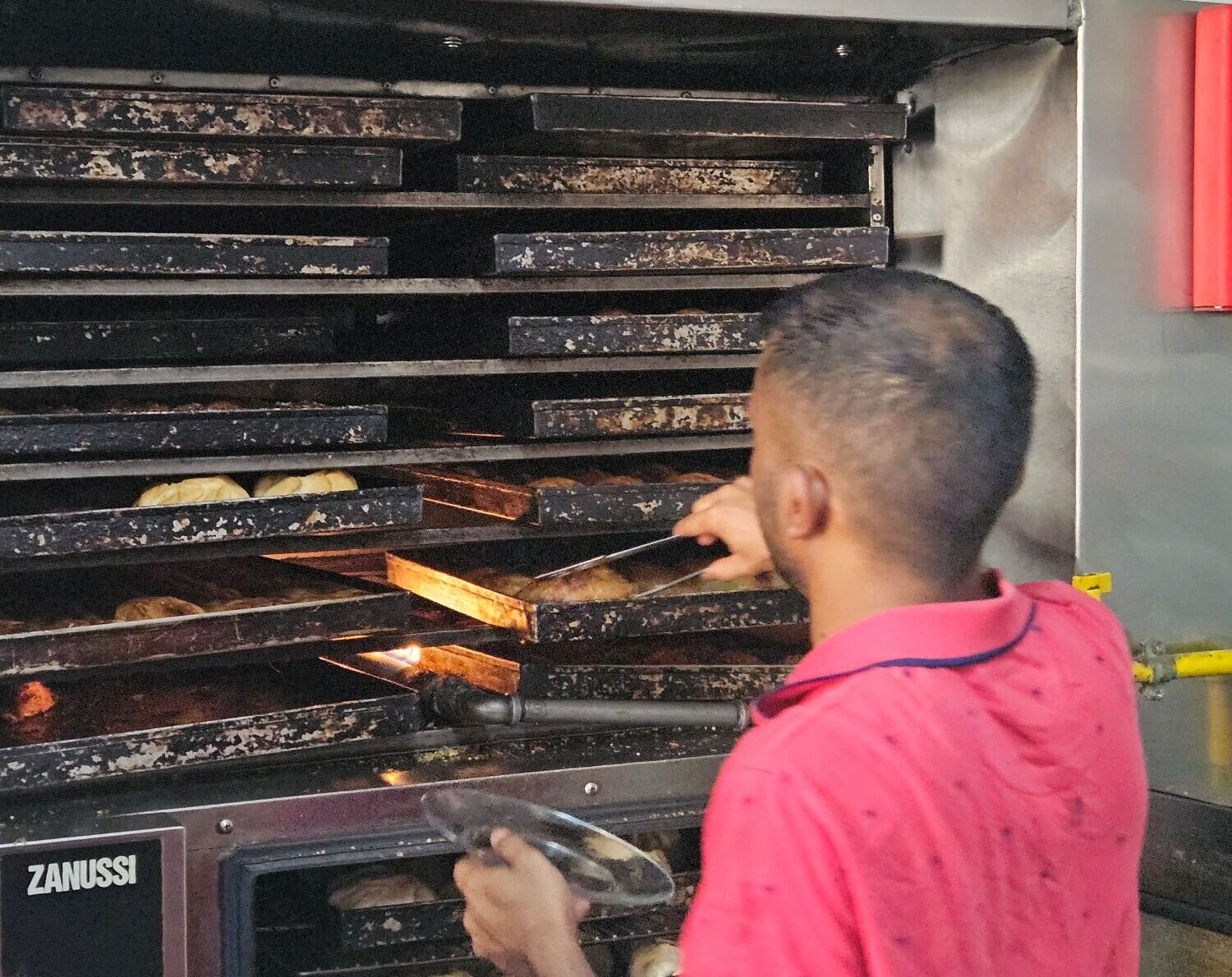
A visit to Rabat, just a few hundred metres away is a must! While Mdina has few actual residents, Rabat is a living, breathing town. And as you make your way from Mdina to Rabat, make sure you stop at Is-Serkin (Crystal Palace), Malta’s most iconic pastizzi shop. This 24-hour, ‘no-frills’ shop will guarantee your first bite of a pastizzi is the real deal.
Pastizzi are super flaky pastry traditionally filled with ricotta or peas.
Like much of Malta, what lies under Rabat’s streets is almost as interesting as what’s above. In Rabat you can head underground and visit the Catacombs of St Paul and St Agatha; and St Paul’s Grotto and the labyrinth of underground passages under the Wignacourt Museum, which were once ancient burial sites, but were repurposed as air raid shelters during World War Two, and even includes a historic bread oven that once served hundreds of locals during the war.
Gozo
Gozo is an easy day trip from Malta, reachable by ferry, water taxi or the many day trip tour providers. We opted for the latter, hoping to pack in as much as possible in the one day. My advice would be to stay longer and enjoy the slower pace and beautiful countryside and beaches.
On Gozo you can discover ancient salt pans, enjoy traditional bakeries, and taste the local sheep cheese, honey and sun ripened tomatoes. This is simple food from the land that has sustained and been enjoyed for millennia and should be experienced in an unhurried way.
Maltese Dishes to Try
Rabbit
was once a peasant dish but is now considered the national dish. Versions of rabbit stew (stuffat tal-fenek) and roasted rabbit with potatoes can be found in Michelin star restaurants and local trattoria alike.
Timpana is the Maltese mash up of an Italian lasagne and a British pie. Macaroni pasta is mixed with meat ragù, onion, egg, grated cheese, and tomato, then encased in a pastry shell.
Ftira, not to be confused with the gozitan ftira (a kind of pizza with a unique dough, found in the traditional bakeries around Gozo), in Malta is a hearty sandwich made with a crusty sourdough filled with tomatoes, fragrant olive oil, tuna, capers, and olives and creates a flavour explosion that connects you to Malta’s Mediterranean roots.
We enjoyed a great one at Museum Café on Melita Street, Valletta. This is one of Valetta’s oldest cafes and you know it’s good because it’s always packed with locals.
Wash your ftira down with a Kinnie. Malta’s signature soft drink is made from bitter oranges and aromatic herbs.
Or if it is aperitivo hour, the Maltese have you sorted with an array of foods perfect for an antipasti platter. Zalzett is a coriander-flavored sausage. Galletti are crispy water crackers. Hobs biz-zej, is a bruschetta-like bread with tomato and olive oil. Ġbejna is the local sheep milk cheese.
Looking for a sweet treat? Imqaret is a date-filled pastry, deep-fried and often infused with aniseed.
*Malta was the most bombed place on earth during World War Two. Malta endured over 3,000 air raids and 15,000 tonnes of bombs between 1940 and 1942. The intense bombardment caused over 10,700 buildings to be destroyed or damaged, with over 1,500 civilian deaths, and earned the island the George Cross for bravery.
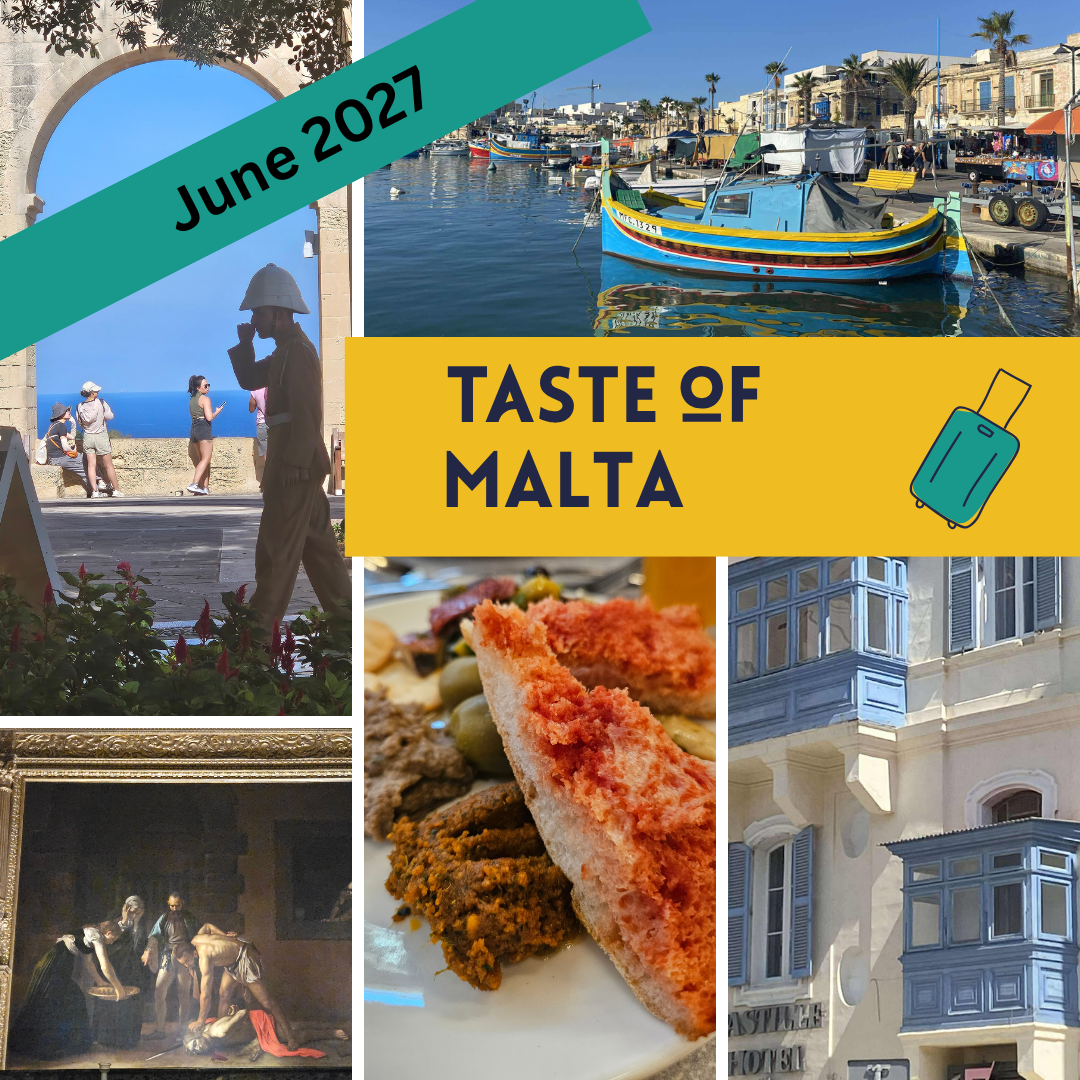
Keen to discover more of Malta with me? Bookings for our inaugural Taste of Malta tour are open. Email hello@tasteoftours.com for more details.
www.tasteoftours.com