


Wise words on growing broccoli by Lynda Hallinan

When I was a teenager, I didn’t know much about American politics – oh, for a return to those halcyon days! – but I was aware that President George H. W. Bush shared my adolescent antipathy for boiled broccoli.
“I haven’t liked it since I was a little kid and my mother made me eat it,” he famously quipped. “And now I’m President of the United States and I’m not gonna eat any more broccoli!”
My mother, of course, wasn’t having a bar my dinner plate protests. She boiled up broccoli, in rotation with silverbeet, cauliflower and cabbage, until its green florets sagged soddenly. Later, Mum attended microwave cookery night classes and started serving funereal wreaths of broccoli, the wretched stuff having been steamed in a plastic ring mould until it was relieved of not just of all taste and texture, but most of its nutritional goodness too. (A peer-reviewed study by Spanish food scientists in the early 2000s, published in the Journal of the Science of Food and Agriculture, found up to 97 per cent of health-giving flavonoids are zapped out of existence when broccoli is microwaved.)
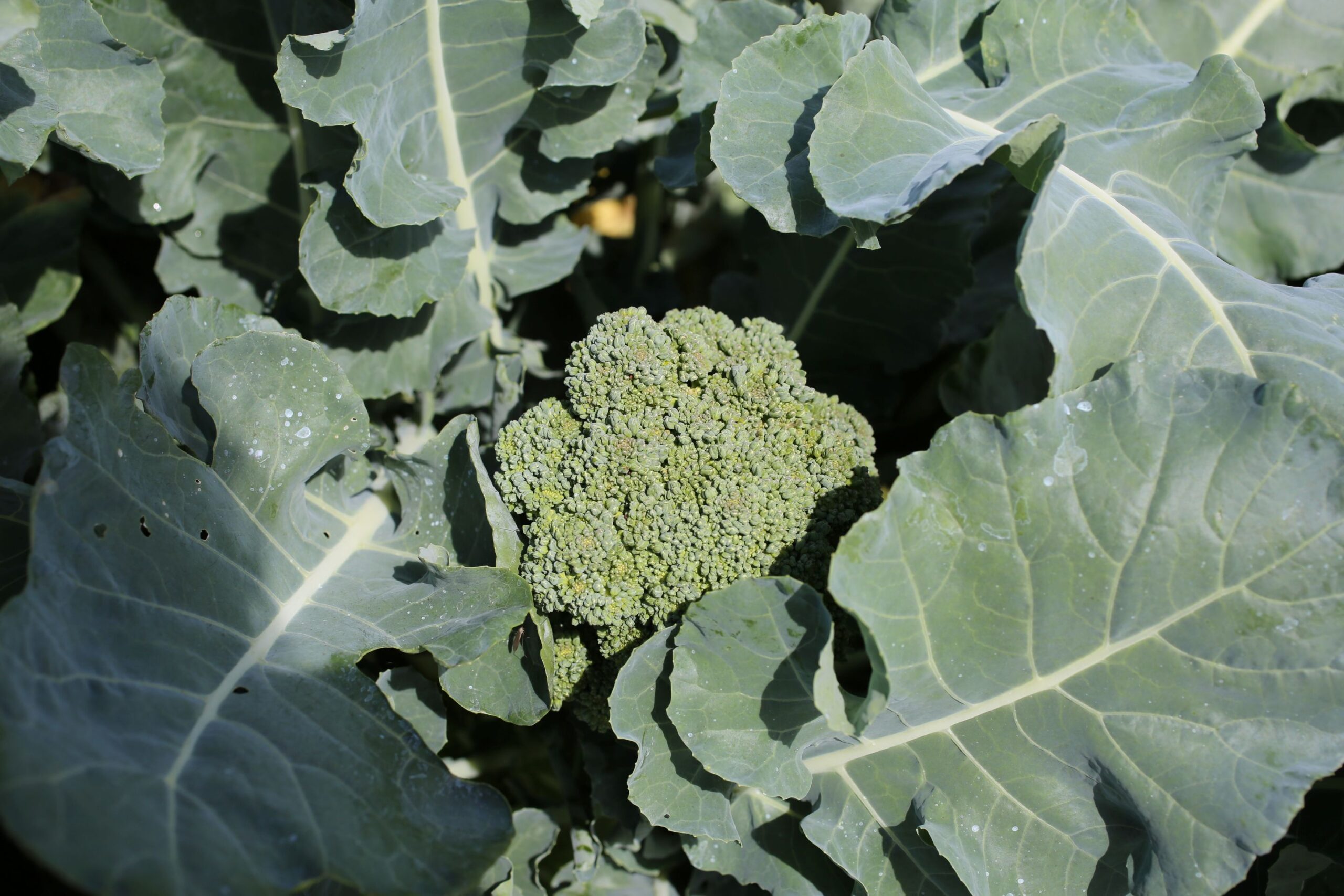
Eaten raw or ever-so-briefly blanched, broccoli is a nutritional powerhouse, packed with vitamins A, C and K, plus fibre, calcium, potassium, iron, folate and antioxidants. Not that my teenagers would know; in a perverse twist of genetics, both my boys actually prefer overcooked broccoli and would willingly eat it every night of the week. Indeed, some weeks they do, because once broccoli is ready to harvest, there’s no stopping it. Those tightly permed heads soon loosen their curls and bolt to seed if left unpicked.
If you can’t keep up, slice and freeze the florets for winter soup making, leaving most of the stalk still attached to the rosette of leaves. Almost all broccoli varieties will reward you with a secondary crop of smaller side sprouts, doubling their harvest season.
As the weather cools, broccoli does best when planted in a sheltered, sunny spot. To promote quick growth heading into winter, dig in granular fertiliser then drench weekly with liquid seaweed to encourage big leaves and, consequently, big heads. If you’re growing broccoli in a glasshouse, opt for a fish-based foliar fertiliser to deter whitefly at the same time.
If sowing seeds in trays to transplant, don’t let the soil mix dry out, as stressed seedlings have a habit of ‘buttoning’ (producing a tiny, premature head) prematurely. Cover your seedlings with fine grade insect mesh to protect your plants from white cabbage butterflies until Jack Frost sends the last lingering caterpillars packing.
Once your broccoli plants have developed fat stalks, you can also safely mulch around the stems with lawn clippings. Not only are these rich in nitrogen, as the grass breaks down it suppresses weed growth while warming the soil like a biodegradable electric blanket.
Best broccoli varieties:
* For autumn sowing and winter growing, opt for cool-tolerant hybrids such as ‘Shogun Winter Harvest’ (Yates Seeds), ‘Winter Green’ (Kings Seeds) or ‘Marathon’ (McGregor’s Seeds). Organic growers can choose from ‘Belstar’ (Kings Seeds) or the heirloom ‘Waltham’ (Kings Seeds), which has a noticeably stronger flavour and a reliable side sprouting habit once the medium-sized head is cut.
* If you’d prefer to transplant store-bought seedlings every fornight, ‘Green Dragon’ (in Zealandia GrowFresh punnets in garden centres) is my no-fail favourite. It can be grown in small gardens or large pots and, after the central head is cut, produces a secondary crop of up to half a dozen miniature heads about a month later.
* In winter, sprouting varieties such as ‘Sticcoli’ (Yates Seeds), ’Tender Stems’ (Kings Seeds) and ‘Side Sprouter’ (in punnets) are quicker to crop and provide a long harvest season. Sow ‘Sprouting Winter Rudolph’ (Kings Seeds) for purple-pink florets to liven up your salads.
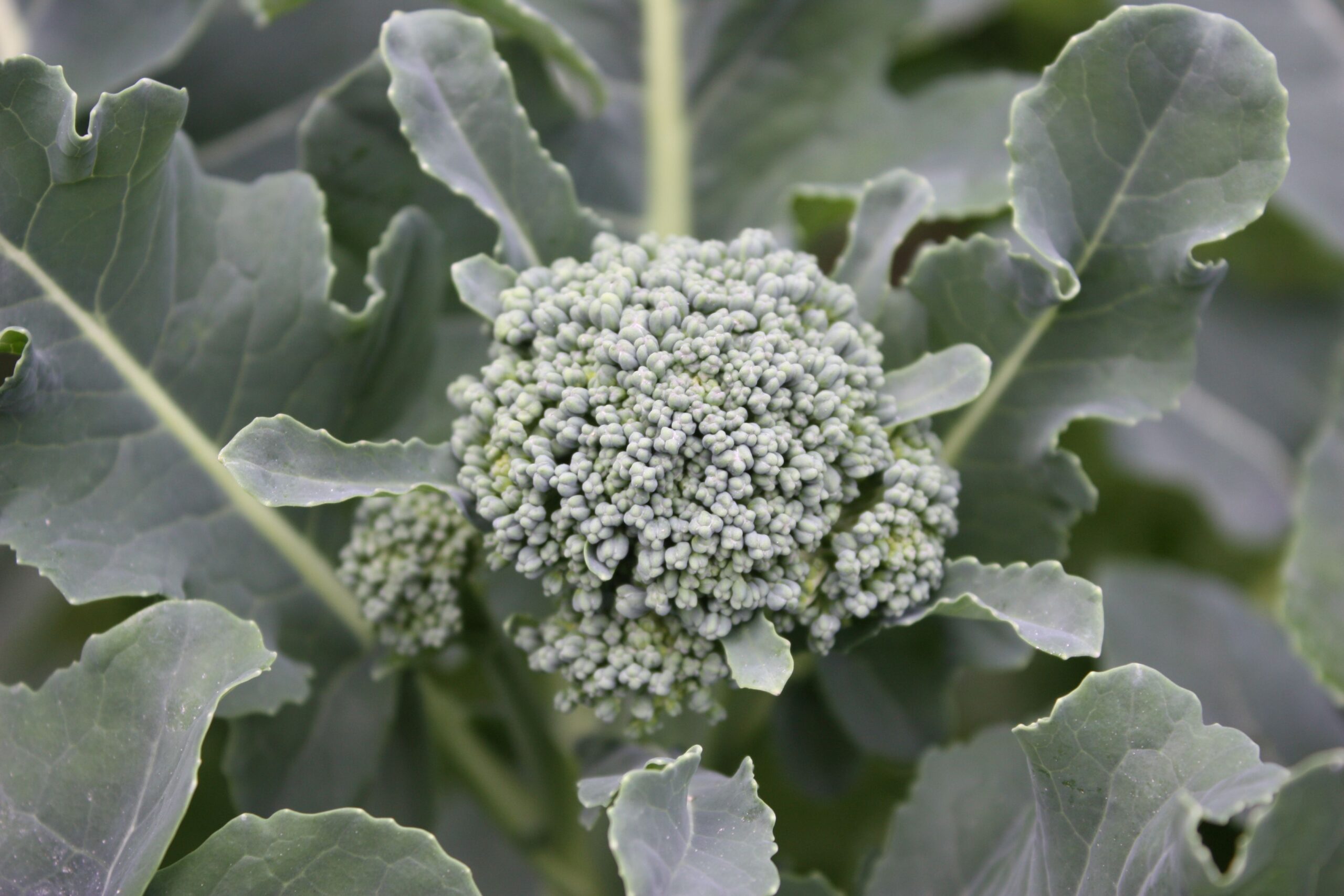
And when you have a bumper crop, here are some brilliant Broccoli recipes to make