
Words by Vicki Ravlich-Horan
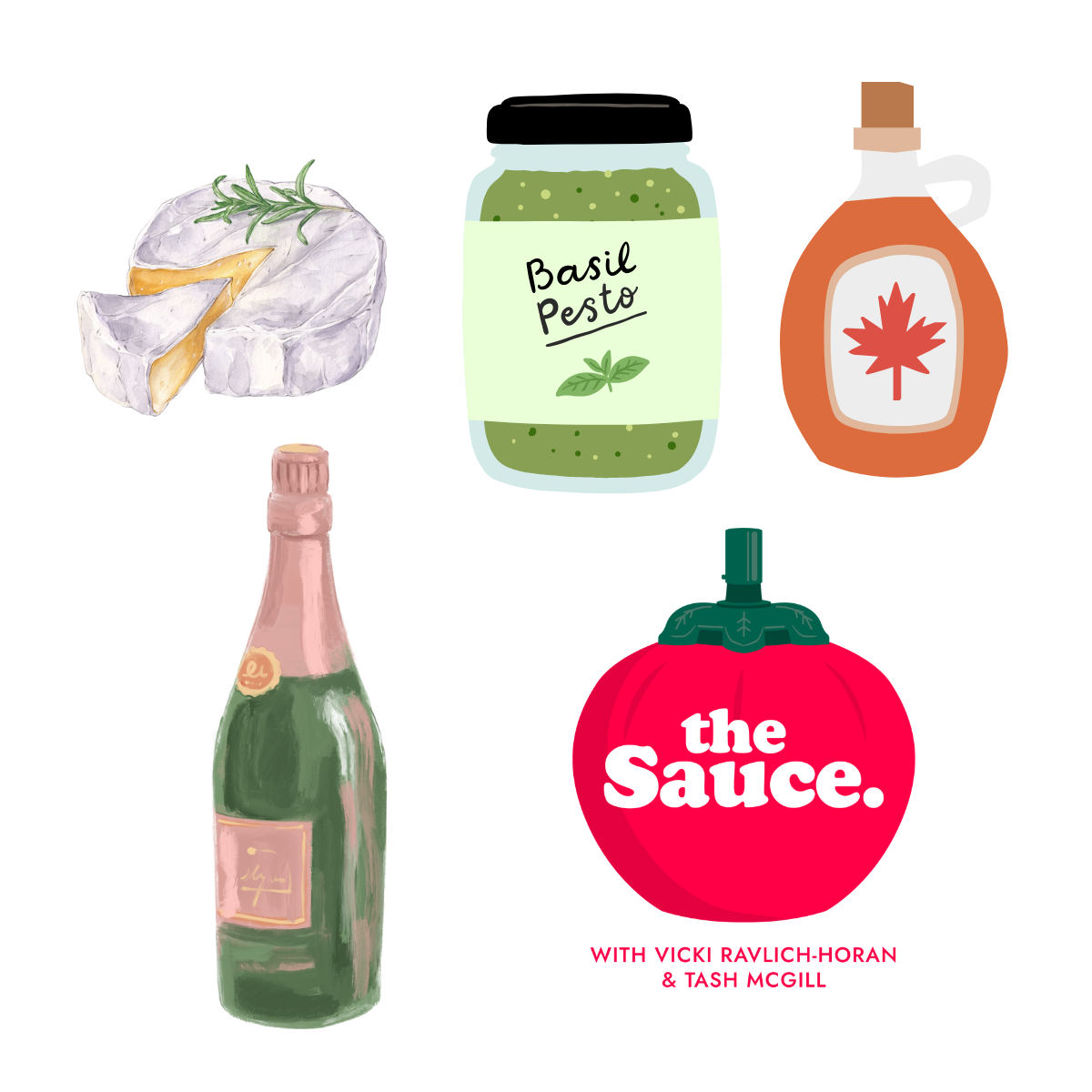
This story idea began with a simple question, when is it okay to fake it? I only use vanilla extract, shunning the essence I grew up with, yet I am happy to slosh some truffle oil, (basically synthesised truffle flavour) over my rocket or pizza. Maple syrup is our family go-to for the traditional Sunday morning pancakes, and I would rather golden syrup (the Kiwi alternative in the 80s) to the cheaper maple flavoured versions on our supermarket shelves and often served in cafes.
I posed this question to a wide range of chefs, food writers and foodies in my life and they all came back with completely different takes on my question. With such a skewed sample audience, I naturally got the message: quality counts. But I also got where they were willing to ‘cheat’ or take the faster track.
Authenticity is an interesting conversation in the world of food today. I prefer real Parmigiano freshly grated over my pasta, but happily broke this rule when Meyer Cheese released their Old Master cheese. In my opinion it was just as good as the imported DOP Parmigiano cheese I was buying, with the bonus of being local.
Liz from Vetro says they have a couple of “New Zealand bries which to me are just as good, if not better, than the French and a much better price”. Her advice, if going for the French ones go for the really amazing ones.
Similarly with blue cheese. If the recipe calls for blue cheese, Liz believes you need to use a true blue cheese with some grunt, like Gorgonzola or even stilton.
Debate over cheese, their authenticity and their names is one that will continue for some time, especially in New Zealand, as our cheesemakers grapple with new free trade laws coming banning them from using terms like ‘feta’.
An industry that has already grappled with this is the wine industry with the likes of Champagne. And our panel overwhelmingly thought there were many Methode Traditionelles better than many Champagnes.
Both food writer Amber Bremner and Lisa Quarrie from Hayes Common in Hamilton thought the Quartz Reef Methode Traditionelle was excellent. Liz from Vetro said there were also many great French bubbles, like Louis Perdrier and Ackerman Crémant de Loire Brut, that aren’t technically Champagne but just as good and better value. But if you were only wanting the real deal, forget the brands you know like Moët and Veuve, Vetro stock Charles Orban Champagne which Liz says “is cheaper than the more traditional well-known ones but in our opinion much nicer”.
Another product many agreed on was pastry. Food writer Julie Le Clerc said, “I love making pastry and find homemade shortcust pastry far superior to bought. However, I draw the line at making puff pastry on a regular basis, due to the time it takes and because Paneton’s* [made with real butter] is so brilliant.”
I have to agree with Julie and always have a ready supply of their flaky pastry in my freezer. But I would never buy sweet pre-made pastry. Annabelle White disagrees with me here and loves Panetons sweet pastry, saying, “Yes, I can make great pastry but Paneton all butter sweet pastry is already rolled out ready to be rolled thinner and perfect for fruit pies.”
The theme here is all these foodies read the labels of the pre packaged food they might use as a shortcut. In pastry you are looking for butter, the same ingredient you would use if making pastry at home. In the same vein, Amber says her go to supermarket convenience food is Tonzu vegetarian sausages. “They’re high in protein and actually have very clean ingredients, basically tofu, herbs, spices and natural setting agents.”
Lisa’s quick convenience meal in her family is frozen falafel. And here I have to agree! Who can be faffed making falafel on a Tuesday night? Although she qualifies this admission by saying, “I always make my own garlicky yoghurt dressing and tabouleh to serve with it!”
Julie says, “Charred capsicums* in jars are great and they save a lot of fluffing about roasting and peeling fresh ones. I also love the added flavour the brine gives the jarred versions.”
When after that charred or smoked flavour our panel were quite happy to use a shortcut. Gus Tissink from Fed Foods is happy to pull out the blowtorch and “in small doses” use liquid smoke*. Amber was also a fan of smoke in a bottle, saying, “I love my liquid smoke as a shortcut, and actually it’s hardly even fake. It’s made from capturing and condensing the steam vapours from burning wood.”
Annabelle White loves a good quality supermarket dip – think hummus, pesto and tapenades. “Yes, of course you can make your own hummus,” says Anabelle, “but equally you are busy. Pesto from the supermarket and good olive oil can work where you would need a salsa verde.”
Annabelle, a realist, advises, “Get savvy with your purchases, and when it’s good there is no problem or guilt using it. It’s about eating well, maintaining your sanity and being honest. Have the confidence to say – no, its not made in my kitchen but it’s really good.”
Listen to the full conversation on when it’s okay to fake it on our podcast, The Sauce NZ, available on Spotify, Rova and Apple.
Warning – if something says ‘flavoured’, think beef flavoured sausages, maple flavoured syrup, fruit flavoured drink … steer clear or read that label. Food manufacturers are always trying to pull the wool over your eyes and the word flavoured is a red flag.
*Find these products at Vetro.