


Words Vicki Ravlich-Horan
At the start of this year, I did what many people do, I embarked on a quest to lose a few kilos. Be it my algorithm or the diet du jour, but keto appeared to be the way to go. Goodbye my beloved pasta, so long bread, hurrah rice.
Cutting out carbs means grains were off the table, but was I eliminating an essential source of nutrition? Grains – whole grains, more specifically – are often a better source of key nutrients like disease-fighting phytochemicals and antioxidants than fruit and vegetables.
In fact, whole grains have some valuable antioxidants not found in fruits and vegetables, as well as B vitamins, vitamin E, magnesium, iron and fibre.
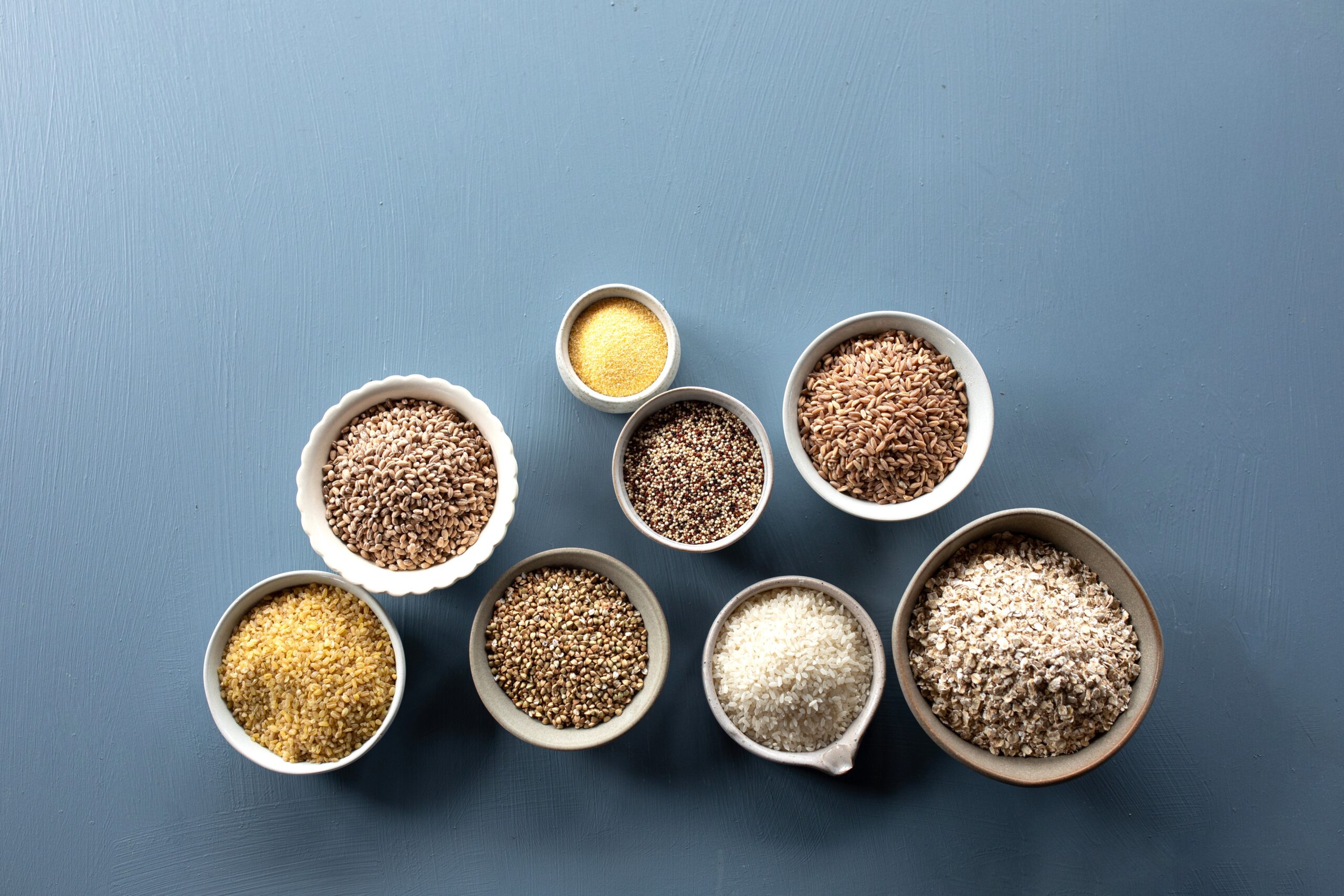
So, what is a grain? As with most food categories, it is confusing, in that all grains are technically seeds but not all seeds are grains. A grain is a type of fruit where the seed coat is fused to the fruit wall. They come from grass-like plants and are harvested and processed for food – think wheat, rice, barley, oats and maize.
Actual seeds are embryonic plants enclosed in a protective coating and if planted would grow new plants. We’re talking pumpkin seeds, sunflower seeds, peas …
Then there are the seeds consumed like grains but are not from grass plants. These are called pseudocereals and include quinoa, buckwheat and amaranth. For all intents and purposes these are classed as grains in the kitchen.
Unlike true cereal grains, pseudocereals are eaten in their original form and gluten free. On the other hand, true grains are often processed, and this is where grains in our modern diets come unstuck. As a seed, a wholegrain is a hyper-concentrated package with all the nutrients and energy they need to turn into a self-sufficient plant.
But modern processing often strips the bran (the seed’s outer skin which is full of fibre) and the germ (or the embryo which contains all the good stuff – the disease-preventing, metabolism-boosting, blood-sugar-stabilising, cholesterol-lowering antioxidants, fibres, vitamins, minerals, essential fatty acids), leaving just the endosperm, or the germ’s food supply, which is mainly your starchy carbs.
So, what can we learn from this? Grains aren’t bad, in fact they are highly nutritious as long as they are in their whole form. Some grains are not true grains, but as they are in the whole form they, too, are nutritional powerhouses.
With this knowledge let’s not eliminate them from our diet but look for more ways to enjoy grains. To do this I asked a few people which grains they love.
Lisa Quarrie from Hayes Common in Hamilton is gluten free so says her favourite ‘grains’ are quinoa or buckwheat. Lisa says, “Both are brilliant in salads, soups or flavoured with spices, nuts or citrus as a side to slow-cooked dishes. I am currently obsessed with a lamb and butternut squash tagine recipe that calls for lots of preserved lemon quinoa to mop up the sauce!”
Also a fan of gluten-free grains, Emma Galloway (www.mydarlinglemonthyme.com) loves millet. Considered an ancient grain, millet is a true grain, as it belongs to the Poaceae grass family. It is a key crop in African and Asian countries, as it’s pest resistant and tolerates harsh conditions like drought and less fertile soil.
Emma warns, “Only buy hulled millet. The unhulled grain will never soften and is more commonly used for bird food.”
For perfectly cooked millet go to Emma’s website for instructions, and then she suggests using it instead of rice or couscous. “Or grind the grains to a fine powder and make into a porridge or use as a gluten-free flour.”
Fiona Hugues attributes her oat adoration to her Sottish roots and relies on porridge “with a decent glug of thick cream and heady crust of brown sugar that is melted and saucy” as a remedy for ills. But she doesn’t stop there, claiming “every holiday our celebratory roast chooks get rammed with my grandmother’s buttery oat bran stuffing and Aunty Jean’s oat cakes are a solid inclusion on our French cheese boards at home, an excuse for a wine sloshed salute to the fifteenth century Garde Ecossaise and the diplomatic alliance they represented. Wholegrain oats (I don’t like the waffly texture of rolled) are the key ingredient in my homemade muesli and at this time of year they make the most delicious spicy oat nut crust adorning a medley of warming winter fruit crumbles.”
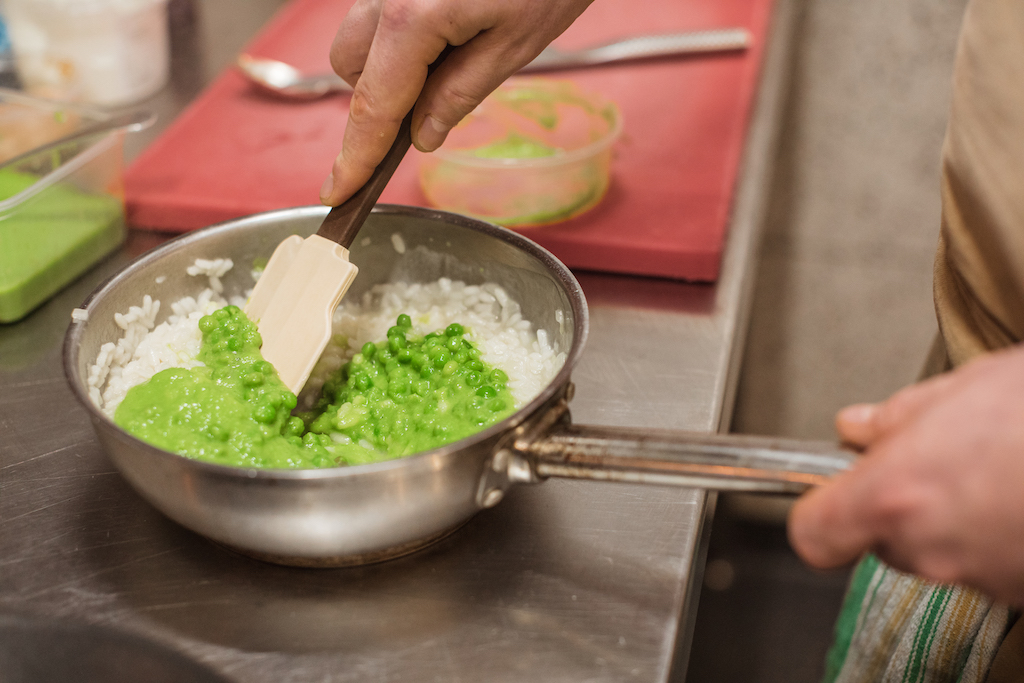
Simone Saglia from The Trading Post in Paengaroa says, without a doubt, his favourite grain “is rice (in all variations) because of its versatility and the dishes you can make with it.
“Arborio and carnaroli varieties are great for risotto, salads and arancini (from left over risotto). Venere rice makes a great terrine. Vialone nano is superb in salad and rice pudding. And wholemeal rice awesome for stir fry and rich in fibre.”
Anna from Vetro Hamilton loves buckwheat. “I’m really into my health and wellbeing at the moment, and buckwheat has been a bit of a game changer. I’ve pretty much stepped away from bread, pasta and rice, and this ticks all the boxes – gluten free, high in protein, and properly delicious with that nutty, earthy flavour.”
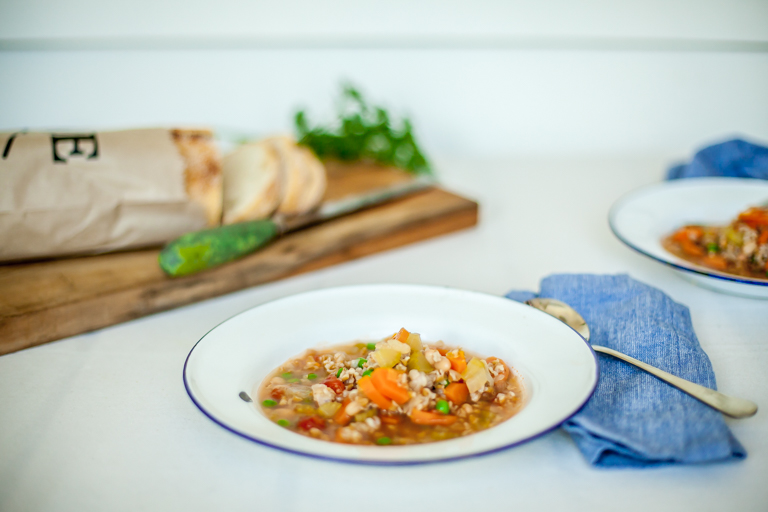
Flavour is a reason I love farro and freekeh for wholegrain alternatives to white rice. Freekeh is wheat that is picked green then toasted and cracked. It is a whole grain so packed full of goodness. Compared to brown rice, freekeh has less calories, twice the amount of protein, close to four times the amount of fibre, less carbohydrates and fat, as well as three times more iron than brown rice. For me, the clincher is it has more flavour than rice, bringing a nutty, earthiness to dishes. Serve it with a winter stew or as part of a heartier salad for these colder months.
Farro brings a nutty flavour and a lovely texture to dishes. And if texture is what you want, I love using barley. Mum always added it to soups. I love using it instead of rice to make a hearty risotto, especially a mushroom version.
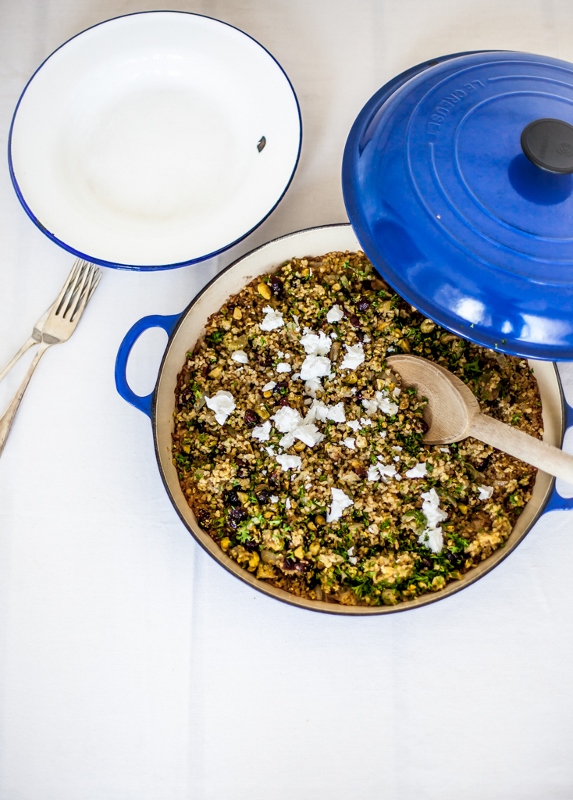
Liz Cerdeira from Vetro Tauranga says her favourite grain dish is one she learnt when living in Brazil using bulghur wheat. “Most people only use bulghur for tabouleh, but kibe is a very popular snack food in Brazil.” Lebanese in origin, they are made with a mixture of bulghur wheat, minced meat and spices. It is then fried, baked, or stuffed with a halloumi style cheese. Find Liz’s recipe for kibe on our website.
Kathy Paterson, who was recently on the judging panel for the Outstanding Food Producers Awards, says, “My new favourite grain is Wairarapa Grains Collective durum wheat flour, an artisanal flour milled from Wairarapa durum wheat. The ancient grain is a hard wheat and works incredibly well in bread making, pasta making and for pizza bases, has a distinctive flavour and gorgeous golden colour. I even use it in a simple sultana cake.” Available online www.wgcgrains.co.nz in 1.5 kg or 20 kg brown paper bags, Kathy says, “I prefer to buy in smaller quantities. There is nothing like opening a new bag of flour. I reckon it is at its best in that first bake. Keep airtight in a well-sealed container in a cool place, well away from direct sunlight.”
Monty & Sons pasta (now available from Vetro) are making great pasta from Wairarapa Grains Collective, durum wheat.
This winter, branch out and discover some new grains.