

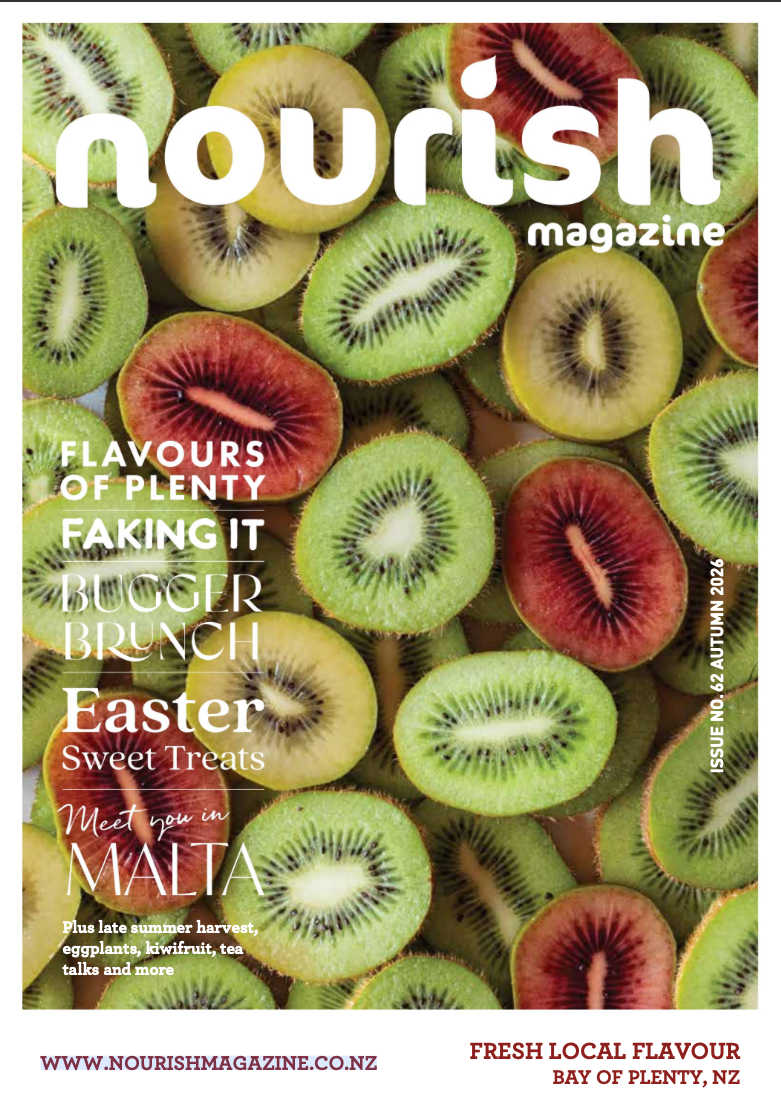
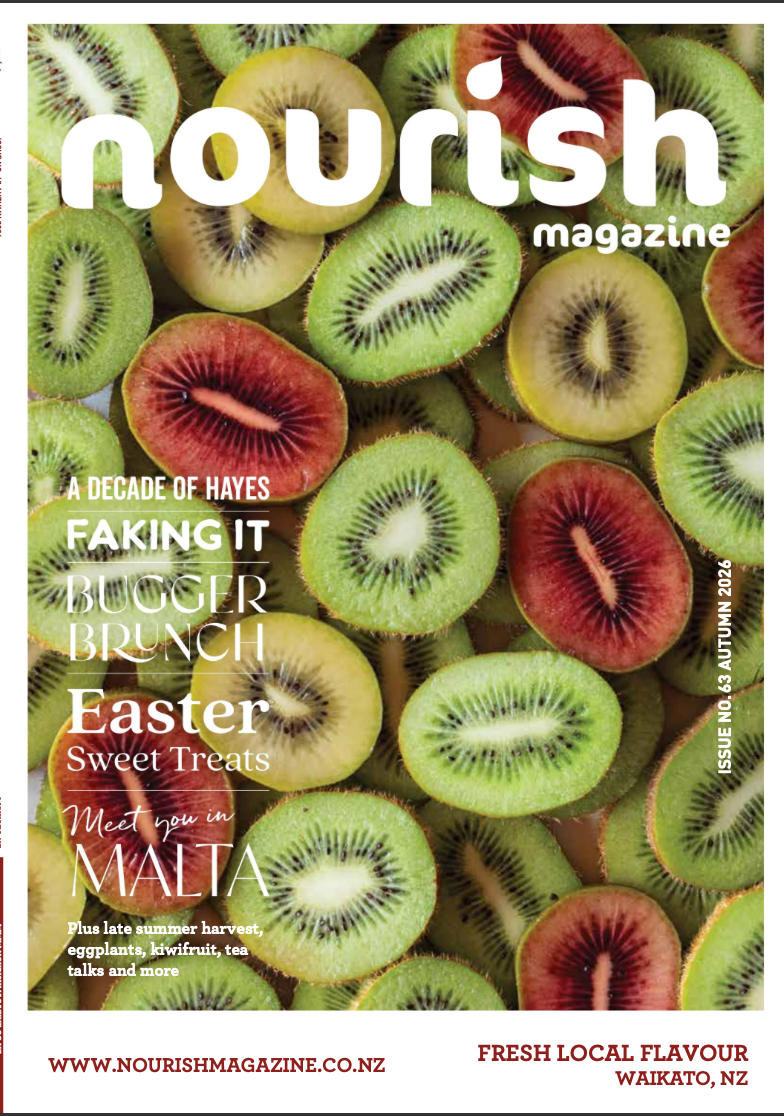

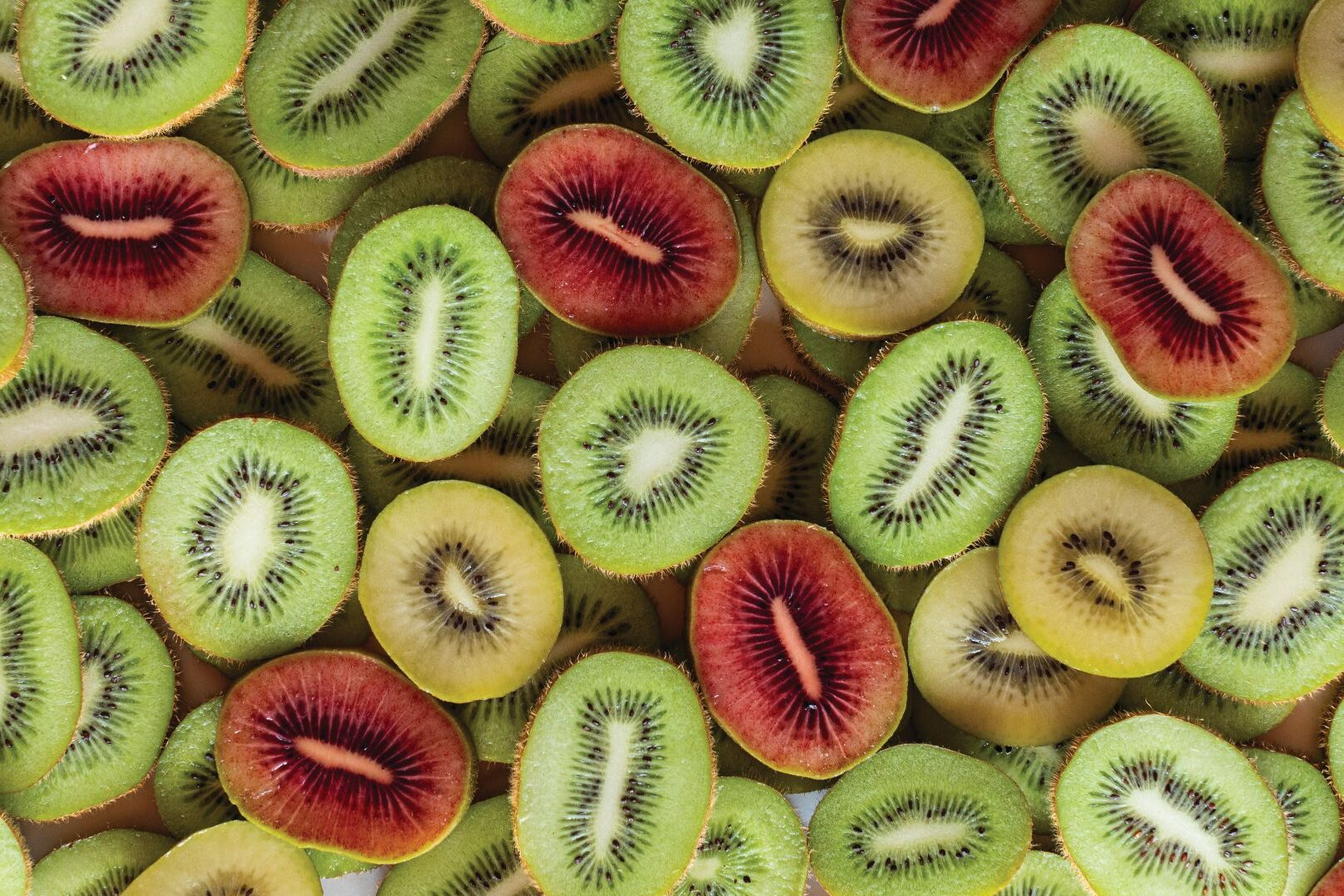
Kiwifruit of every variety graces the cover of our Autumn 2026 covers
By Rachel Hart
You may not know this but other countries simply call kiwifruit … kiwis. Blasphemy, I know! You’d never get away with that here. Kiwis are people; kiwis are flightless birds that live in the forest and come out at night; kiwis are not small, green (or gold), fuzzy fruits.
Which brings me to two slightly contradictory facts. First, this article is all about kiwifruit. Second, while I am a Kiwi … I haven’t always been one. I moved here in my early twenties, and now find myself trying to do justice to your national fruit.
Here’s the truth: I didn’t grow up eating the fruit. I didn’t indulge in kiwifruit-topped pavlovas every Christmas as a child. And I never saw a kiwifruit growing on the vine until I moved here as an adult. So please keep that in mind while I try my very best to tell you something you don’t already know about these magical little gems.
Kiwifruit (as I have learnt to call them) are not from New Zealand. Not originally. They date back to the 12th century where they grew wild in China and were used not for food, but as medicine. They reached our shores in the early 1900s and, back then, we called them Chinese gooseberries.
During the Second World War, they gained popularity among servicemen stationed here, and by the 1950s this led to a booming export industry. The fruit took so well to our Bay of Plenty sunshine, climate, and rich volcanic soil that they are now synonymous with New Zealand. We renamed them kiwifruit and have been sending them far and wide ever since.
But the name and history are only half the story. These palm-sized treasures are absolutely packed with nutrition. I’m not one to throw the term ‘superfood’ around lightly, but kiwifruit truly deserve the title. They have three times more vitamin C than oranges. As much potassium as a banana. Tiny black seeds filled with omega-3s.
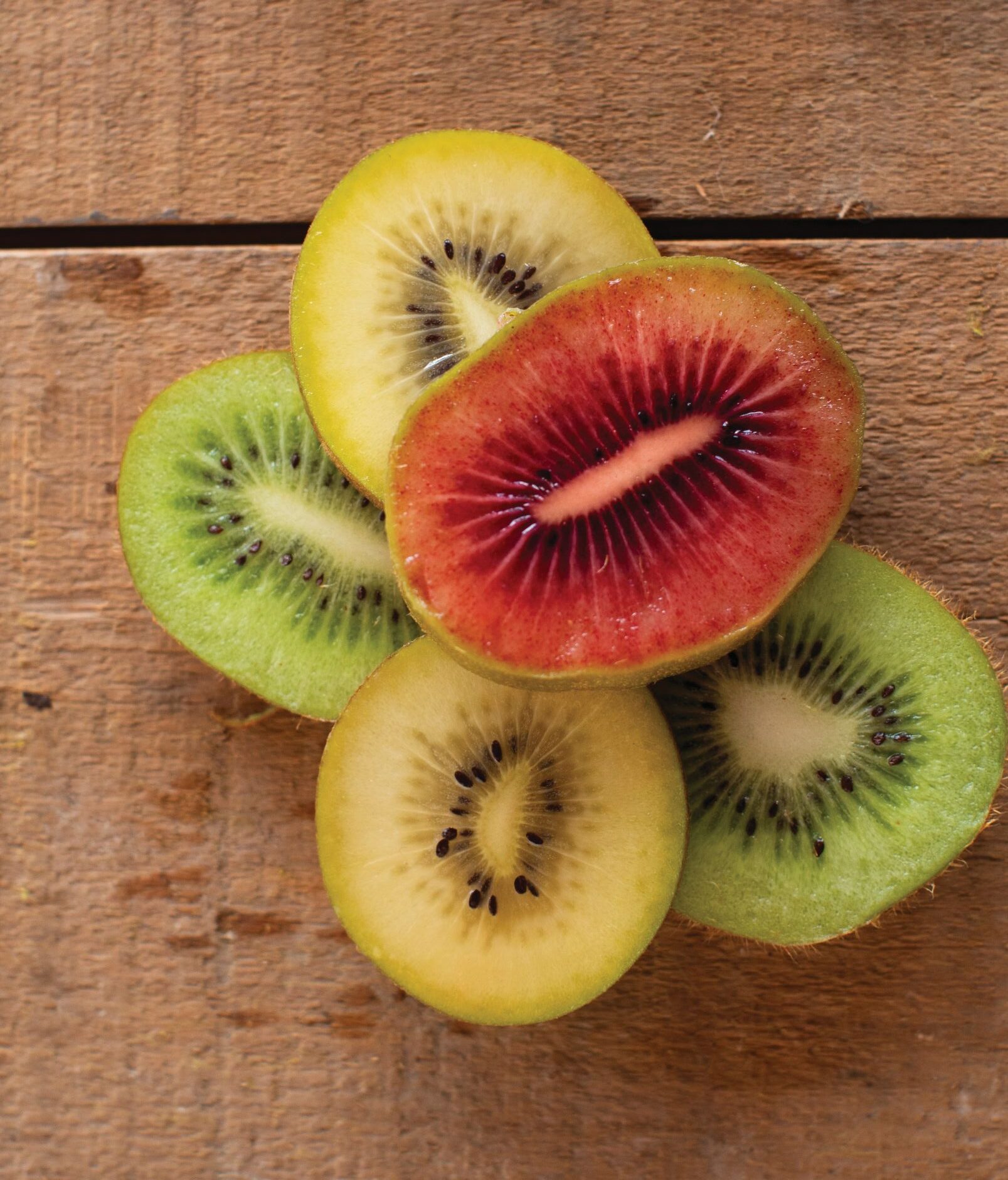
And the fibre! A sluggish digestive system is no match for kiwifruit, which boast an impressive blend of both soluble and insoluble fibre. If you want to get the most bang for your buck, eat the whole fruit: flesh, seeds, and skin. By eating the skin, you’ll increase the fibre content by 50 percent, while also adding an extra dose of folate and vitamin E. And if, like me, you don’t like the fuzz, the smoother skin of the golden variety is much more palatable.
Kiwifruit is a great addition to marinades, with an enzyme called actinidin helping to break down protein, making tougher cuts of meat much more tender. Whether you prefer tangy green or sweet gold, tossing kiwifruit into an autumnal fruit salad adds a pop of colour and a hit of tastebud-tingling acidity.
As if all this wasn’t enough, kiwifruit is also one of few foods that contain serotonin, a natural compound that helps send us off to sleep. Not bad for a national fruit – Kiwis should be pretty proud of our kiwi … fruit!
For some interesting Kiwifruit recipes click here